
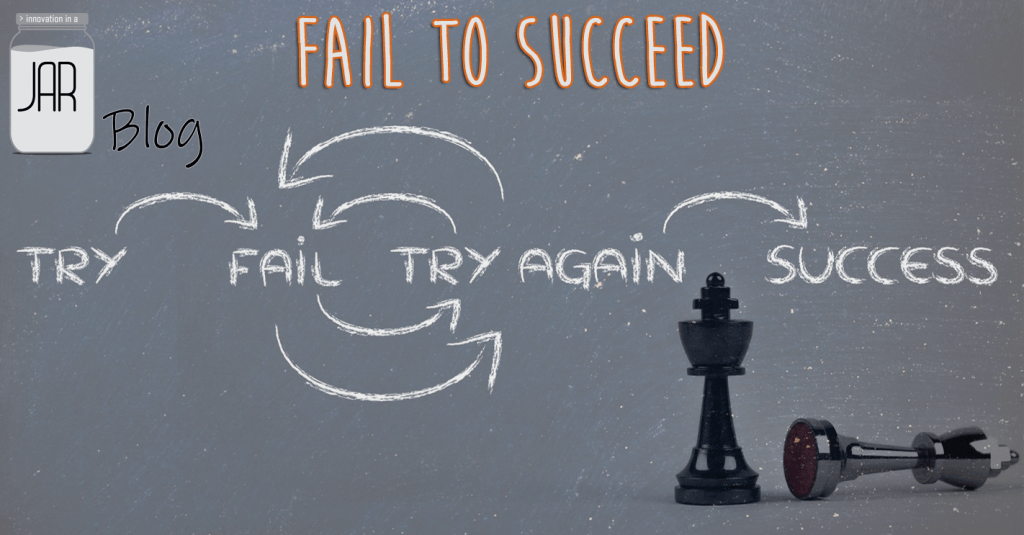
The F word
We live in a world obsessed with success. In our day to day lives we constantly idolize the rich and successful, from our historical records always honoring the victorious to the media constantly promoting their own version of what it means to be successful.
It comes to nobody's surprise as failure is a very charged meaning, with people often ostracized because they are labelled as "failures" within the premises of the society they may be living right there. But failure and success are so broad concepts that it is virtually impossible to pinpoint. A person can be considered a failure because they do not meet certain job/salary standards, despite the fact the person is a fervent humanitarian volunteer, while at the same time a person who has dedicated his life in perfecting his craft and acquiring career esteem and money can be considered a failure for not having a family (Romantic Comedies we are staring at you).
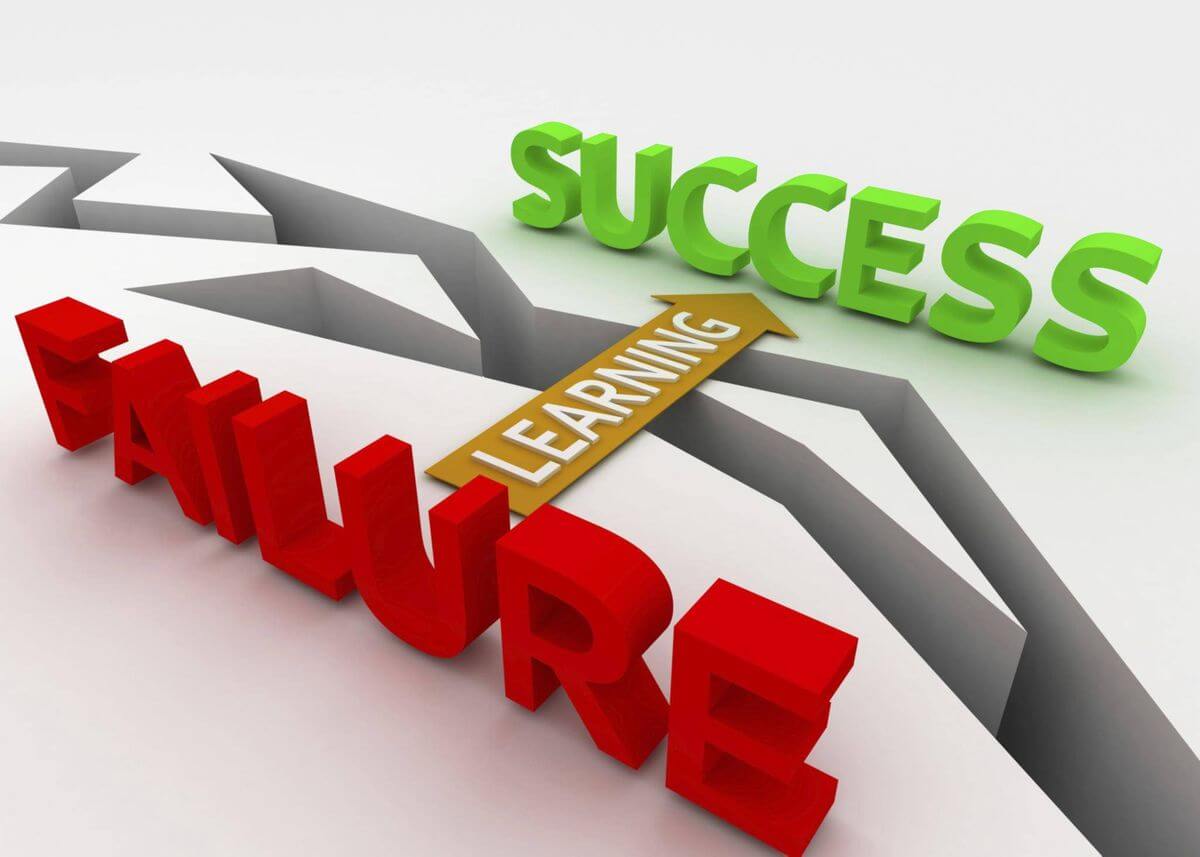
I believe that those two meanings are more intertwined than people originally thought. After all the road to success goes through failure, and evidently there is scientific data to back up this claim.
The Science of Failure
Nobody would be surprised to find out that research has been done to find if any connection can be established between Success and Failure, and with a quick search one can find a decent number of them. The New York Times have posted an article discussing one such research.
The research discovered that early career setbacks prove out to result in a more successful future, at least for scientific careers. By focusing on proposals fell just below and just above the funding threshold, they compared near-miss with narrow-win applicants, and found that an early-career setback has powerful, opposing effects. Initially one can argue that the near miss could work as a "filter" as the "weaker links" of those teams would just quit and not try again, thus allowing those that remained to succeed. However, even after taking that into consideration, the results were still the same.
"What does not kill you makes you stronger" the saying goes, and it seems that is the case with failure. “We realized we may have succeeded in understanding success, but we’ve failed at understanding failure. We know success breeds success. Maybe we just haven’t looked at people who fail close enough.” said Dr. Wang.
In another article by The Atlantic, "Recognizing that visionaries such as Albert Einstein experienced failure can actually help students perform better in school. In 2016, the cognitive-studies researcher Xiaodong Lin-Siegler of Columbia University’s Teachers College published a study that found that high-school students’ science grades improved after they learned about the personal and intellectual struggles of scientists including Einstein and Marie Curie. Students who only learned about the scientists’ achievements saw their grades decline." the article reads.
So it is settled then. Understanding failure helps people succeed, that much is clear. But things are often easier said than done.


Understanding Failure
One of the most interesting things that came up during my research is that many successful people embrace failure and understand it is part of the process. Naturally there are quite a few articles on how to use your failure in order to succeed but there was one particular "suggestion" that seems the most curious to me.
As I was looking into articles, I saw multiple mentions of what is referred to as "Failure Resume". "This anti-resume goes by many names: failure resume, anti-portfolio, or "CV of failures," to name a few. The overarching idea is the same, though. By keeping track of your failures and reflecting on them in a way that's constructive, you can learn from your mistakes and achieve more in the future" an article by Mentalfloss says.
Essentially it encourages you to make a resume, much like the one you would have for your work, but you write down things you failed to achieve. This can work as a roadmap, and a reminder of all the struggles you have overcome in order to be where you are today. The key is not to dwell on these mistakes for hours, according to Melanie Stefan, a lecturer at Edinburgh Medical School who inspired several academics to create their own failure resumes says on the matter.
But what won me over is this article by Wanderlust Worker that pinpoints very accurately "what is failure" and gives a few very solid advice as to "how to bounce back" from failure.
What everyone seems to agree on however, is that Failure is a platform for learning, it puts your goals and planning into perspective, it gives you experience, and allows you to revisit your goals in a way that simply succeeding may not do as well.
Final thoughts
So if failure is not only that bad, but a welcome, necessary and unavoidable part of life, why is it that we are still so afraid of it? Why does it still have the stigma many in society still put on it?
This article by Forbes in my opinion perfectly explains why people are so afraid to fail. "Two world-renowned psychologists, Daniel Kahneman and Amos Tversky, who won the Nobel Prize for their work, which explains why we are so averse to failure. What they found is that effect of loss is twice as great as the gain from a win. This is an astounding conclusion indicates the great negative impact a loss has on us as individuals, which is much greater than the impact of a win. Thus, it explains why we as humans would go at lengths to avoid a loss or a failure."
Ultimately, in my opinion, it is the external factors that come with failure that make us fear it so much. The scorn of our peers, the judgemental looks of loved ones, the social expectations our society presses upon us, the urge to "have X fancy thing, or Y prestigious title" that makes failure so crushing. I am ultimately convinced that the moment, we stop worrying and caring about those external factors, and start looking for internal factors, and look at our life with intent to grow and achieve whatever goals we have, then we will see that failure is, in fact, not so bad.