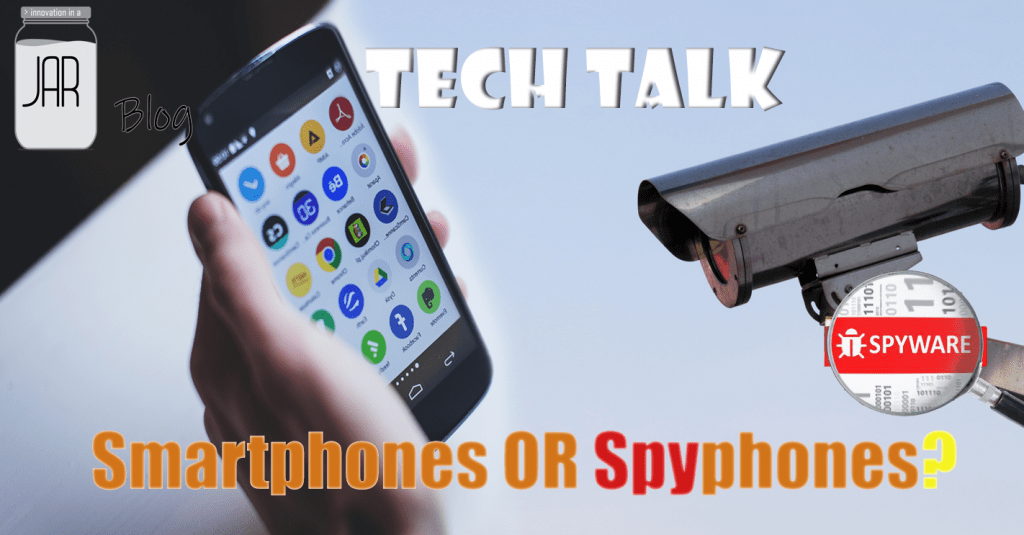
Regarding Spyware/Malware
Today's topic is revolving around these two meanings, Spyware and Malware. Just in case you are unfamiliar with the terms, here is the info as found by wikipedia. (I kept the links as they were, since I am sure some of you may wish to further explore certain key words)
"Spyware is a software that aims to gather information about a person or organization, sometimes without their knowledge, and send such information to another entity without the consumer's consent. Furthermore, spyware asserts control over a device without the consumer's knowledge, sending confidential information to another entity with the consumer's consent, through cookies"
"Malware is any software intentionally designed to cause damage to a computer, server, client, or computer network (by contrast, software that causes unintentional harm due to some deficiency is typically described as a software bug). A wide variety of types of malware exist, including computer viruses, worms, Trojan horses, ransomware, spyware, adware, and scareware.
Programs are also considered malware if they secretly act against the interests of the computer user. For example, at one point Sony music Compact discs silently installed a rootkit on purchasers' computers with the intention of preventing illicit copying, but which also reported on users' listening habits, and unintentionally created extra security vulnerabilities.
A range of antivirus software, firewalls and other strategies are used to help protect against the introduction of malware, to help detect it if it is already present, and to recover from malware-associated malicious activity and attacks."

The Story
The fact that companies are spying on us is no news at all. Even back from the age of the newspaper, companies were always trying to get a better sense of what their customers liked. With the rise of the internet, the job of finding out how to better advertise things came with various simple techniques that would gather data based on what websites you frequented more to make sure adds are better focused on what you might like.
The darker aspect of that is called spyware, which is malicious data meant to be installed by a third party in order to spy and gather information from a person for whatever reason. The recent in the spyware front is a new malware that seems to have infected the Android scene.
News came from Gizchina where they report that the new spyware called, CallerSpy masquerades as an ultra-secure email application called Apex App or Chatrious. What makes this spyware more worrying is that it often takes screenshots without you knowing, so that it may take your login information and passwords. So far the malware is only focused on Android but there is a risk that this might spread into Windows and iOS.
Security experts advice caution when it comes to new applications from unofficial sites and the investigation is still open.
Photo by Michael Geiger on Unsplash
Photo by freestocks on Unsplash
Personal Opinion
Though the fact that the increase of infringing Spyware is something to consider, I have to take the time to point the spotlight on another issue, and that is the fact that plenty of other organizations do this as well. From Google to Facebook, the way corporations have been using spyware, to better market products towards us is something that is beginning to be of increase concern of mine. I hope that this tidbit of news will help people better understand spyware, become educated and start investigating how much we are being spied upon and by -who- exactly. There is a fine line between "better tailoring the ads towards me" and another one entirely to actively record tidbits of conversations I have looking for key words.
The later has indeed happened to members of CodingJar, when were were discussing about Hawaii for fun, and our Instagram profiles suddenly started showing travel adds for trips to, you guessed it, Hawaii. Keep in mind, this is just my personal opinion and, though I may have a good inclinations, I am by no means saying that the companies are involved in something illegal. After all we all -do- sign those agreements.
But I am raising the concern of what exactly -is- entailed in those agreements, and whether or not we should perhaps be more careful with what we sign into, unless we do not mind this sort of thing.
My advice? Better lean how to keep your browsing safe. There are a number of articles you can find with a quick search such as this one from Techsafety.