What is Social Distancing
According to the World Economic Forum: "Social distancing is a tool public health officials recommend to slow the spread of a disease that is being passed from person to person. Simply put, it means that people stay far enough away from each other so that the coronavirus – or any pathogen – cannot spread from one person to another."
Though this is often described as Quarantine and it may feel the same way, it really is not. However, we are not here to discuss the differences between those two meanings, we are here to discuss how Social Distancing is affecting us. We see all around the globe the countless of stories, from people freaking out, to people finding unique and quite interesting ways to deal with the boredom. Today we will be discussing how social distancing and social media have been changed throughout this pandemic.
Effects on Social Media
In a stunning turn of events, social media actually are a good thing for once. With so many people stuck in their homes social media are effectively the only means of people communicating with their loved ones or socializing. In an article by techcrunch we can see a glimpse of the things people have done, from chatting with random strangers in Zoom, doing social livestreaming through instagram or sharing memes, Tech Crunch said it best: "What remains feels more social than social networks have in a long time. With no source material, we’re doing it live. Coronavirus has absolved our desire to share the recent past."
Instead of planning and filming your life in a race to become the next tome instagram model, or the next influencer, people have stopped trying to "one up" the competition and focus on just being themselves. The drive for a community has given rise to another thing. Livestreaming.
Streaming services, such as Twitch have always been a hub for communities to form around a common interest. From gaming to podcasts, streamers have seen a rise in traffic as people stay indoors and simply just want to be social. In an article by GeekWire we can see that streaming services are enjoying a whole lot of traffic. "Will Overgard, a UK-born, Seattle-based content creator who streams a variety of video games on Twitch as Viking_Blonde, said streams have always been a good way to help fight loneliness or isolation.
“Now more people are in need of that,” Overgard said. “I feel that my job as a content creator right now is to help facilitate digital friend groups, look after my community and make sure people know they aren’t alone. I’ve always tried to do right by my little viewership since I started this (heck, they keep me alive after all) so this is my time to look after them.”" the article reads, and we cannot agree more.
However, things are not all fun and games, with increase in social media presence and stricter means of population control in play, some things may be at risk.
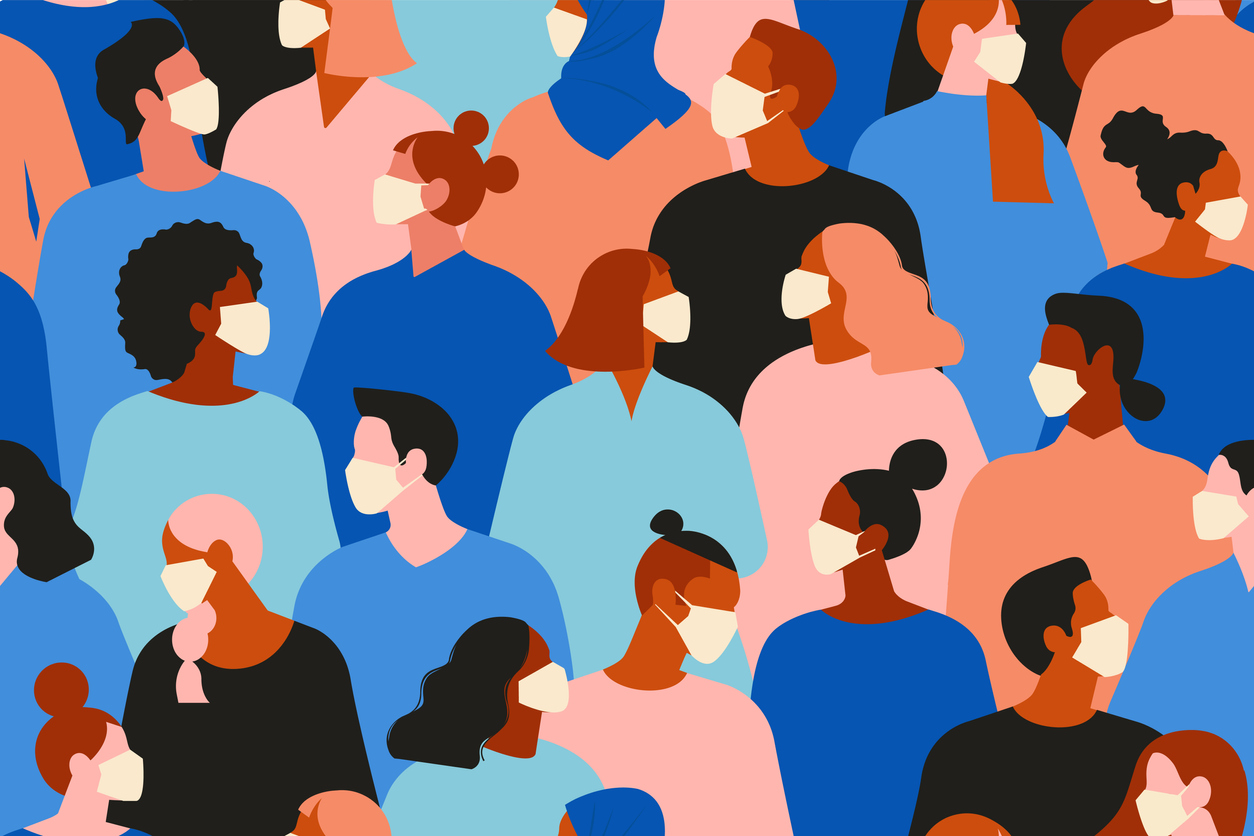

This article by the New York Times shows a very important aspect of the situation. "Tracking entire populations to combat the pandemic now could open the doors to more invasive forms of government snooping later." the article reads, and truly in Lombardy, Italy, the authorities are analyzing location data transmitted by citizens’ mobile phones to determine how many people are obeying a government lockdown order. And they are not the only ones. From Israel to Australia we see stories like this, to quote the article once more "Increased surveillance and health data disclosures have also drastically eroded people’s ability to keep their health status private.This month, Australia’s health minister publicly chastised a doctor whom she accused of treating patients while experiencing symptoms of the virus — essentially outing him by naming the small clinic in Victoria where he worked with a handful of other physicians."
Economic Impact
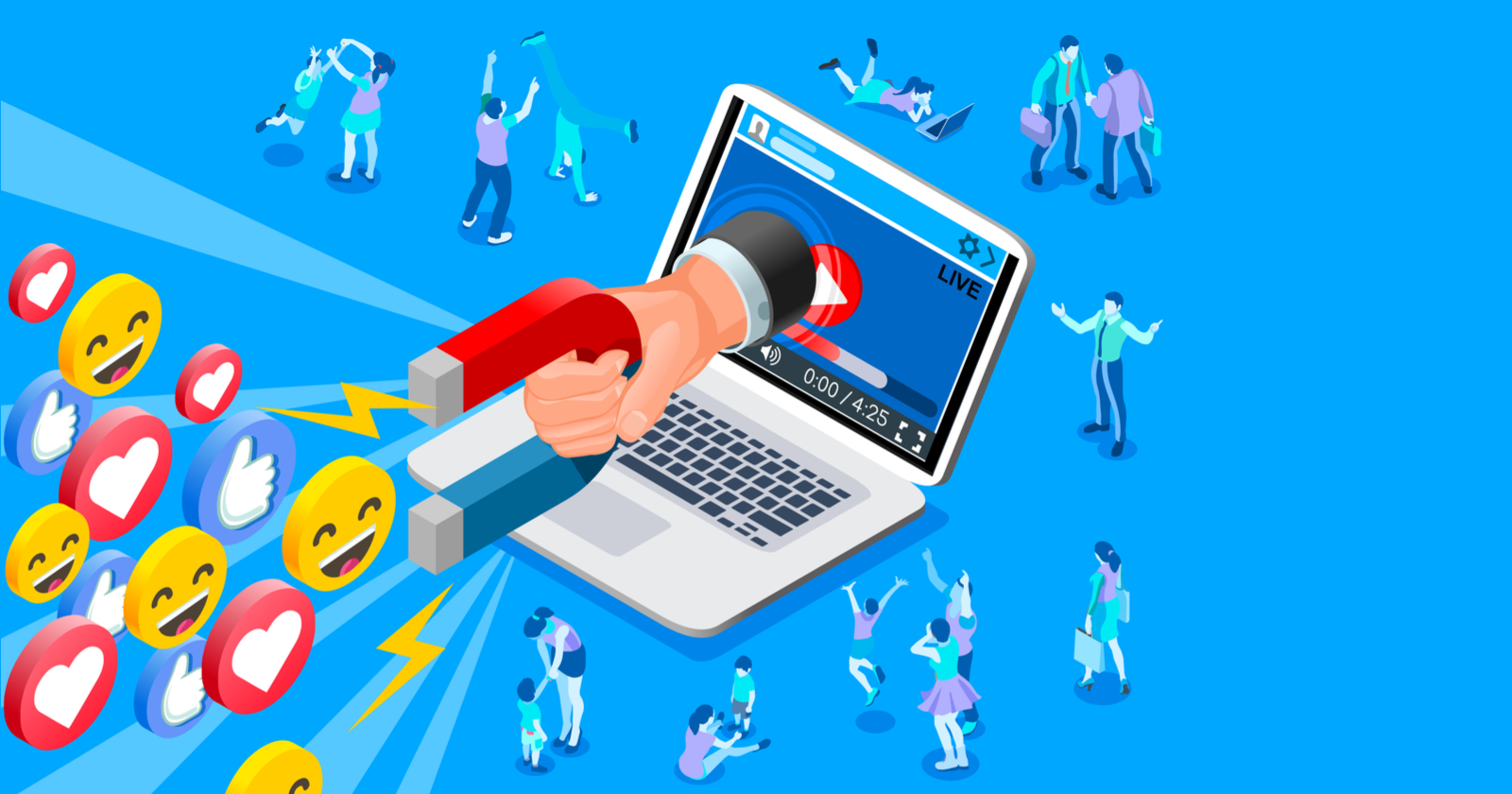
Despite being the target of ire from a lot of people, we cannot ignore the economic impact this has had on people making their money from their social media. In an article on the New York Times we can see the impact of this social distancing in the livelihood of people making their dues by being travel influencers. "“It’s absolutely affecting our business,” Ms. Griffiths said. “In the past 48 hours I have lost five campaigns,” said Scott Eddy, a travel influencer and marketing consultant. “I do think they’ll come back to the table, but no one can predict when this will end. It’s all been put on indefinite hold.” His losses as of Wednesday accounted for more than $25,000 in income, he said." reads the article.
But that is only one side of the coin, on the other hand, with more people on social media, the mobile economy is booming. In an article by AppAnnie that expands on the impact of the Coronavirus in the economy, they state "In China, city lockdowns began in January 2020. Consequently, in February, we saw daily time spent in mobile in China jump to 5 hours per day on average, an increase of 30% compared to the average for 2019. Italy, the country with the second highest concentration of confirmed cases as of March 15, saw the second highest jump at 11%."
And it makes sense, with people locked at home and more time spent on their phones and social media, the market is really primed to boom.
Benefits of Social Media
From this article by the Verge, explaining how social media can help us, to this article by Parade with a list of ways social media can help during the crisis, we can all agree that social media can be a great tool in those trying times.
The hard facts are that social media offer a platform to combat loneliness for those staying alone during this period of quarantine, and with many families torn by distance, social media offer a great way to alleviate that concern by providing means to communicate with your family. And with the need for social activities always present in human society, we see a lot of unique takes on the use of social media.
In an article by The Atlantic I read about people actually setting up lunch breaks, or dinners with friends and family. To quote the article's interview: "Committing to a dinner or a lunch with somebody is a signal that ‘I care about this relationship’” and that they want more than just, say, an intermittent text-message thread that each party contributes to when he or she has the time. Plus, everyone has to eat, even our busiest friends."
A quick internet search can reveal any crazy new thing, from drinking with strangers on Zoom, as covered by The Metro.UK to simply chilling with your favorite Twitch Streamers. Social media can, and have been helping people cope with Quarantine.
Final Thoughts
We often hear about a million reasons why social media is doing our society harm. It is good to see that now, in a time of crisis, social media have finally showed their positive colors and help a lot of people with the very real psychological threats of the quarantine. Covering for the lack of social life, helping loved ones keep in touch with each other and know they are safe, and making sure that even the loneliest of person can find friends out there, social media has given back to the people making communities around them.